
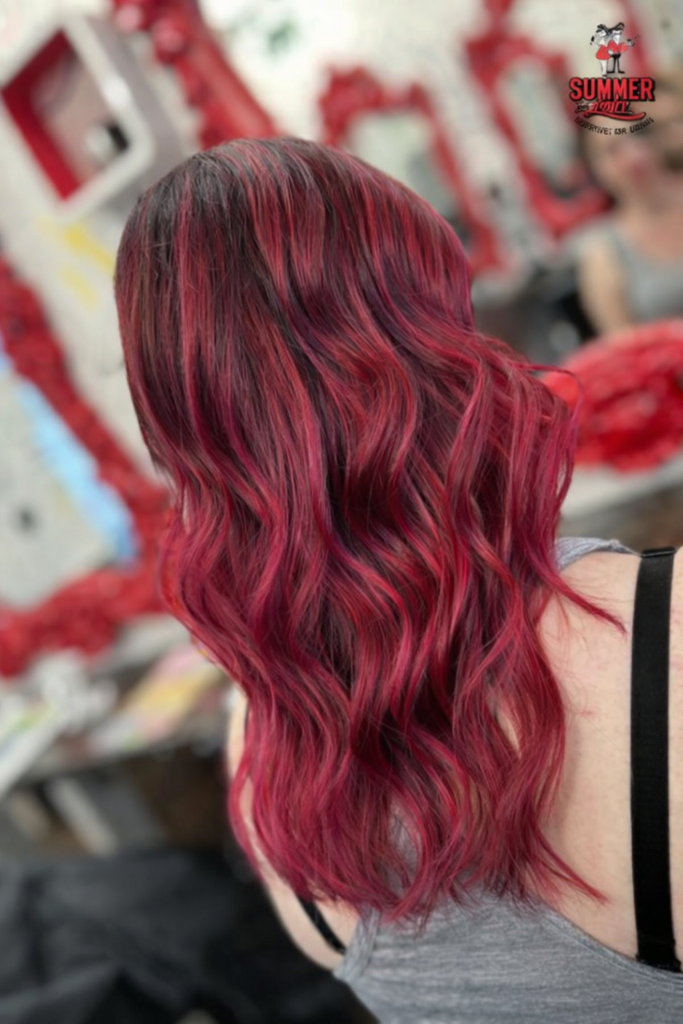
It is a horrible feeling when you catch your hair in the mirror and know straight away it is not what you wanted. Maybe it has gone too dark, too warm, patchy, or it just does not look like the photo you showed. If you are searching for hair colour correction Exmouth, you are probably looking for two things, a calm plan and a result that feels wearable again.
This article explains what to do first, what not to do at home, and how a salon correction appointment normally works. It is written for real situations, box dye that grabbed, highlights that turned brassy, a toner that went murky, or colour that simply came out uneven.
Hair colour correction Exmouth and the first things to do
The first 48 hours matter, mostly because the wrong reaction can make things harder to fix.
- Take a few clear photos in daylight
Front, sides, back if you can. Natural light shows tone and patchiness properly. - Write down exactly what was used
Brand, shade number, developer strength if you know it, and whether it was permanent, demi, or a toner. If it was done in a salon, note what service you had and when. - Stop using purple shampoo or strong clarifying shampoo for now
If your hair is already over-toned or uneven, piling on more pigment can make it look muddier. If it is very brassy, a targeted toner later is usually more predictable than guessing at home. - Do not re-dye it the same day
Hair colour needs time to settle, and your hair needs time to recover. A second round of colour straight away is where a lot of “small mistake” situations turn into bigger ones.
If you have itching, swelling, burning, or a rash, rinse with cool water and get medical advice. This is not something to push through.
Why colour goes wrong more often than people think
Most colour problems are not down to carelessness. They happen because hair is more complicated than a box or a single formula can account for.
Common causes include
- old colour in the hair that reacts differently to new colour
- porous ends that grab darker or warmer pigment
- uneven application, especially around the back and hairline
- minerals in hard water affecting tone
- lightened hair that turns warm quickly without the right toning plan
- mixing multiple home colours over time, which creates layers
If you have ever used box dye, even once, it can change how your hair lifts and how it takes colour later. That does not mean it cannot be corrected. It just means it needs a proper approach.
The most common colour correction problems and what usually helps
The most common colour correction problems and what usually helps
It is too dark
This is one of the most common requests after home colour. Going lighter is usually harder than going darker, so the aim is to lift gently and keep the hair in good condition.
What often helps
- a gentle colour remover or lightening process chosen for your hair history
- a soft, lived-in finish rather than a sudden jump to very light hair
- building back shine and tone with a gloss once the depth is reduced
What to avoid
- putting another dark shade on top “to even it out”
- using strong lighteners at home to try to strip it out
It has gone brassy or orange
Brassiness can happen after highlights, balayage, or any lightening, especially on darker natural bases. The fix is not always a stronger purple shampoo. The right toner depends on the level and the underlying warmth.
What often helps
- a salon toner matched to the level of lift
- a gloss to add shine and smooth the look
- aftercare that supports tone without drying the hair out
If you are dealing with ongoing warmth, ask about a maintenance plan rather than a one-off fix. Some tones need a refresh schedule to stay looking clean.
It is patchy or uneven
Patchiness can show up as darker patches, lighter spots, or areas where colour has grabbed. It can also look like bands, where the mid-lengths are a different shade to the roots and ends.
What often helps
- section-by-section correction, not a quick all-over colour
- pre-softening darker patches before re-toning
- targeted lowlights or highlights to blend rather than repaint everything
This is where a proper consultation makes a big difference, because the fix depends on why it is patchy in the first place.
It looks dull, muddy, or too ashy
Over-toning can happen when a cool toner is applied to hair that did not lift enough, or when toners are layered too often. The result can look flat or slightly green-grey.
What often helps
- removing or fading the excess tone gently
- rebalancing with a warmer, more natural gloss
- focusing on shine and softness, not just “cooler”
What to avoid if your colour has gone wrong
A lot of damage happens in the panic stage. These are the most common mistakes.
- Do not put another box dye over it to “cancel it out”
Colour does not work like paint. Layers build quickly and can leave you with unpredictable results. - Do not bleach bath at home unless you truly know what you are doing
Even a mild lightening mix can hit porous areas harder and create more unevenness. - Do not scrub your scalp with harsh products
If your skin is irritated, keep it gentle and get advice if symptoms continue.
[External link suggestion: British Association of Dermatologists advice on hair dye allergy and patch testing] - Do not expect one appointment to undo years of colour history
Some corrections are same-day, some are staged. A good salon will be honest about what your hair can handle.
What happens in a colour correction consultation
A colour correction appointment should start with information gathering, not a quick decision at the chair.
A stylist will usually look at
- your natural base and current tone
- your colour history, including box dye and salon work
- condition, porosity, and breakage risk
- how quickly you want change and what you can maintain
- what “fixed” actually means to you
Bring photos of what you hoped for, plus photos of what you do not want. It sounds simple, but that second part is often the most useful.
At this stage, you should also be told what the plan involves and why. If the recommendation is staged, that is not a brush-off. It is usually the safest way to get a result that lasts.
[Internal link suggestion: women’s hairdressing in Exmouth -> Women’s Hairdressing in Exmouth page]
What a hair colour correction appointment might include
Every correction is different, but these are common building blocks.
Removing or softening unwanted colour
This might be a specialist remover, targeted lightening, or a gentle lift. The goal is to create a clean base to work with, not to push the hair further than it can go.
Rebalancing tone
Once the unwanted tone is reduced, toners and glosses help rebuild the shade. This is where brassy hair correction Exmouth appointments often succeed or fail, because the right tone needs to match the level you have actually reached.
Blending for a natural finish
Sometimes the smartest correction is not chasing a perfectly uniform shade. Adding soft dimension through highlights or lowlights can disguise unevenness and make the colour look intentional while it grows out.
Supporting hair condition
If your hair feels rough, dry, or fragile, you may be advised to include a treatment. This is not an upsell when it is done properly, it is what helps the colour look better and feel better.
How long does colour correction take
It depends on the problem, the amount of hair, and how much old colour is in it. Some fixes are achievable in one long visit. Others are safer over two or three appointments.
If your colour is too dark from box dye, lifting it to a lighter, natural-looking shade can take time. If your main issue is brassiness or a toner that has gone wrong, it can sometimes be corrected more quickly.
A good rule is this
- tone issues are often quicker to fix
- depth and banding usually take longer
- the more layers of colour, the more careful the process needs to be
How to look after your hair while you wait for a correction
If you cannot get in straight away, focus on keeping your hair comfortable and in good condition.
- Use a gentle shampoo and conditioner for coloured hair
- Avoid high heat styling where possible
- Use heat protection if you do style
- Try not to over-wash
- If the tone is very warm, use any toning products only if your stylist recommends it for your specific shade
If you have an event coming up and need your hair to look more polished while you are mid-process, a professional finish can make a big difference to how colour reads.
When you should seek professional help straight away
Some situations are better handled quickly.
- burning, swelling, rash, or blistering
- breakage that is worsening fast
- severe patchiness with very light and very dark sections
- colour that has turned green or very muddy after toning
If you are unsure, ask for a consultation rather than guessing. A short chat can save you a lot of stress and a lot of extra work.
If your hair feels dry or brittle, ask about conditioning support that fits your hair type and routine.
FAQs
Can a salon fix box dye that has gone too dark
Often, yes, but it may take more than one step. The plan depends on how many layers are in your hair and how your hair responds to lifting.
How do I fix patchy hair colour at home
Most patchiness is harder to fix at home without making it worse. It is usually better to book a consultation so the correction can be targeted, not painted over.
Why has my blonde turned brassy so quickly
Lightened hair can show warmth as it fades, and water, heat, and sun can speed that up. A toner and aftercare plan matched to your level usually helps.
How long should I wait before correcting a bad colour
If there is no irritation, a short pause can help your hair settle, but it depends on what has been used and what needs correcting. A stylist can advise after seeing your hair.
Will colour correction damage my hair
Any lifting can affect condition, but a staged plan and good aftercare help protect the hair. If your hair is already fragile, the aim is a safer route rather than a rushed change.
Conclusion
When your colour goes wrong, the fix is rarely another quick dye job. It is a calm plan based on what is in your hair now, what has been done before, and what your hair can handle next.
If you need hair colour correction Exmouth and want clear advice without judgement, book a consultation with Summer and Lola. Bring your colour history if you can, and we will talk through the safest way to get you back to a shade that feels like you.
